
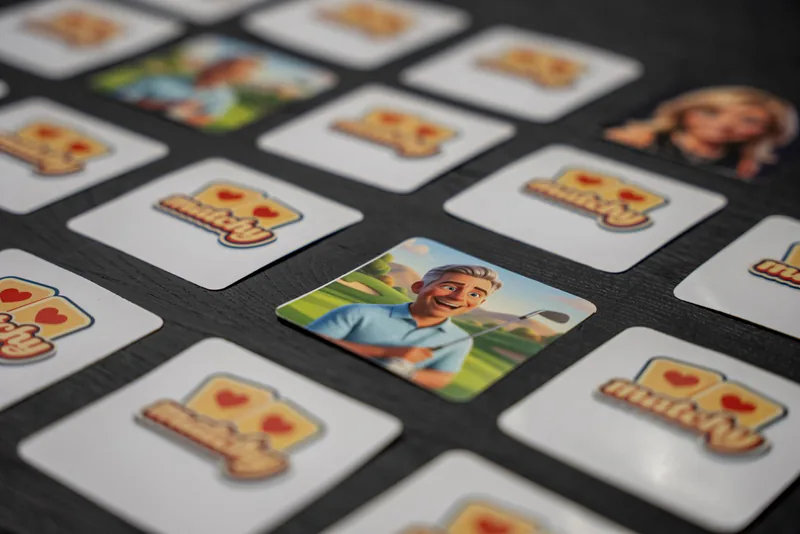
The best photos for a memory game are close, bright and a little bit silly. A face that fills the frame. The dog mid-sneeze. Grandma laughing at something off camera. Those are the cards people reach for first, and the ones they talk about after the game ends.
This guide walks you through what to pick, what to skip and how to mix a deck so it plays well for kids and grown-ups. We make photo memory games called Matchy Matchy, so we think about camera rolls a lot. Here's what we've learned.
What makes the best photos for a memory game

A memory card has one job. When it flips over, everyone at the table should know who or what it is in a second. That's the whole test.
So the winning photos share a few traits. One clear subject. Good light. A face, or something just as easy to spot, like a red bike or a yellow raincoat. The edges can be a little blurry. The horizon can be crooked. The photo just needs a center everyone recognizes.
The second test is the story. A great card makes someone say "wait, when was this?" A photo with no story is fine as filler. A photo with a story is the reason you're playing in the first place.
Photos that play well
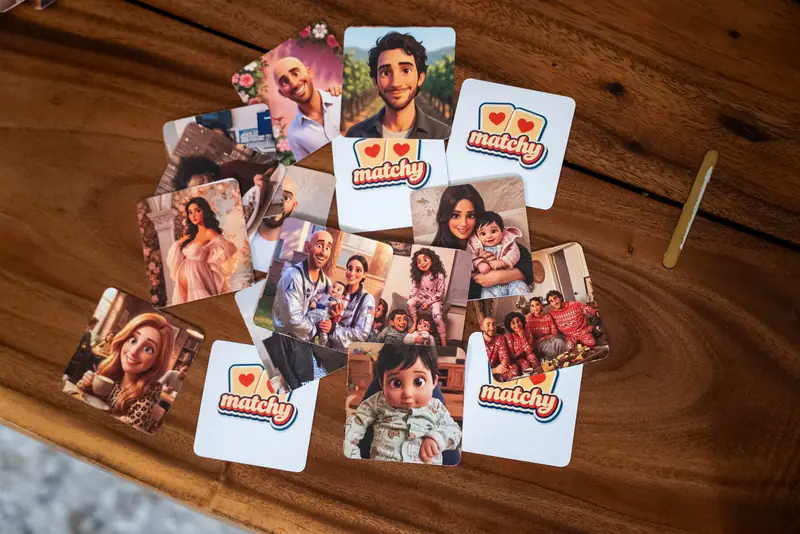
Start your shortlist with these. You won't need all of them. Pick the ones your family will argue over.
- Close faces. Head and shoulders is the sweet spot. Kids find faces fastest, and grown-ups love the expressions.
- Big feelings. Laughing, yelling on a roller coaster, crying over a dropped ice cream. Strong expressions are easy to remember.
- The pets. A dog card gets the loudest cheer at almost every table. Get close to the face, at their eye level.
- Bright colors. A birthday hat, a green sweater, a pink balloon. Color helps players remember where a card was.
- Daylight shots. Photos taken outside or by a window look brighter than dim kitchen shots after dark.
- A favorite place. The old front porch, the lake, the pizza place. One or two places break up a deck full of faces.
You don't need a fancy camera. The best cards usually start as quick phone snaps nobody planned. Before you upload, crop in close when the subject is small, and skip heavy filters that hide faces.
The ones to skip
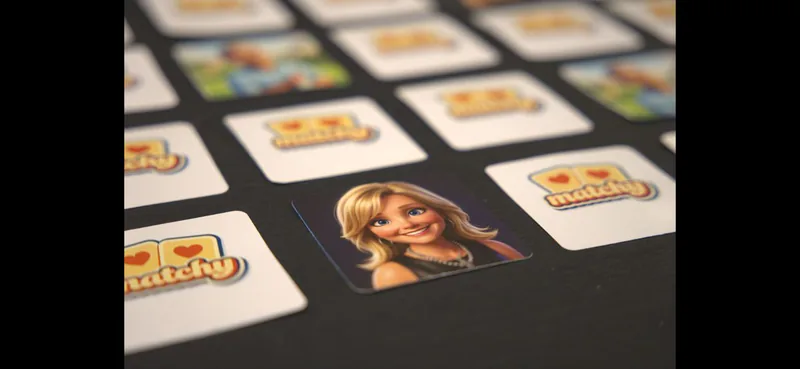
Some photos look lovely on a phone and turn into a puzzle on a card. Leave these in the album.
- Wide crowd shots. Thirty cousins at a reunion become thirty tiny dots. Pick a close shot of three of them instead.
- Faraway landscapes. A mountain view from the car window looks like every other mountain. Put a person in front of it.
- Dark party photos. Candles and dim lamps feel cozy in the moment. On a card they turn muddy.
- Screenshots and photos of text. Memes, menus and signs are hard to read and slow the game down.
- Near twins. Five shots from the same birthday, a second apart, are hard to tell apart. Keep one, unless you want a hard game.
- Photos someone hates. If Aunt Dana groans at that picture, skip it. The game should feel good for everyone in it.
Rules are made to be bent. A wide shot of the whole family on the beach can earn its spot if it's the only photo with everyone in it. Make it the exception, so the rest of the deck stays easy to read.
How to mix the deck

A good deck is a balanced deck. Think of it like a playlist. You want the hits, a few deep cuts and nothing that makes people groan.
A simple recipe
For a 24-card game like Matchy Matchy Memory, try this mix. Six close faces, one for each person who'll play. Two group shots of two or three people. One or two pets. One place. One baby photo of a grown-up, because that reveal is always funny. Swap freely. It's a starting point, and your family knows best.
Match the deck to the players
Little kids do best with 12 cards and very different photos. Mom, the dog, the red truck, Grandpa. Older kids and adults like 24 or 48 cards. For a tougher round, add two similar photos on purpose, like two beach shots from the same trip. The grown-ups will love it. The youngest player will call it unfair.
Gathering photos from the whole family

The best photos are often on someone else's phone. Grandma has the baby pictures. Your brother has the camping trip. A little gathering goes a long way.
- Start a shared album. Ask everyone to drop in three favorites. Give a short deadline so it actually happens.
- Ask a specific question. "Send me the funniest photo of Dad" gets better answers than "send me photos."
- Snap a few old prints. Lay the print flat by a window and photograph it with your phone. Tilt it a little to dodge the glare.
- Take a few new ones. Missing a good shot of the cat? Get down on the floor and take ten. One will be great.
Then sit with the shortlist for a day. The photos you keep thinking about are the ones that belong in the game.
Ready to make your own?
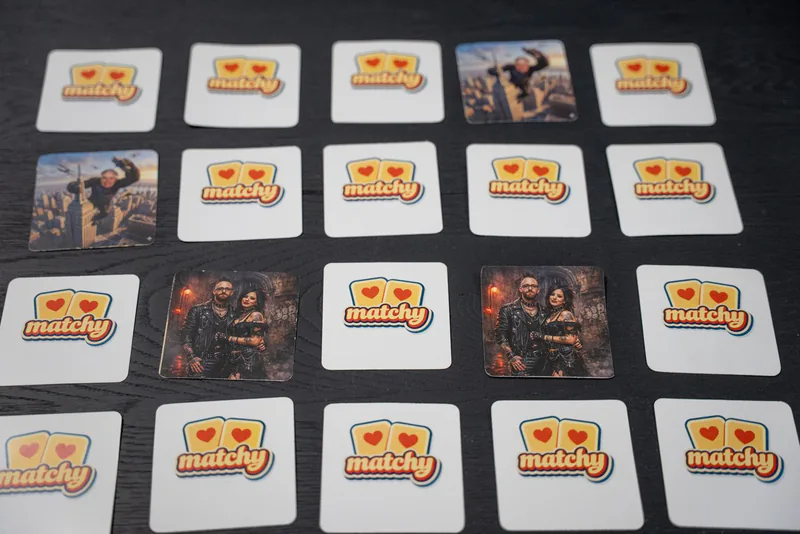
Once you have your photos, the rest is quick. You upload from your phone. Matchy Matchy Memory keeps your real photos, from $19.99. Matchy Matchy Magic re-draws them in 3D Film, Watercolor or Anime, from $29.99. The same photo tips work for both.
Pick your photos. Choose real or re-drawn. Choose 12, 24 or 48 cards. Then see your first card before you pay. You picked every photo, so you know exactly which faces end up in the deck. Stuck on a tricky photo? Write to us at hello@matchygame.com.