
Type memory games for kids benefits into a search bar and you get big promises. Sharper brains, better grades, a future chess champion. We make a memory game, so we will be straight with you. We can't promise any of that. What we can share is what you may notice at the table, and why kids keep asking for one more round.
This guide covers why kids love memory games, what families notice when they play, how to fit the game to each age and one simple trick that keeps little players at the table longer.
Memory games for kids benefits, in plain words
Here is the honest short answer. A memory game is one of the simplest games a family can play together. The rules fit in one sentence. Flip two cards, and if they match, you keep them.
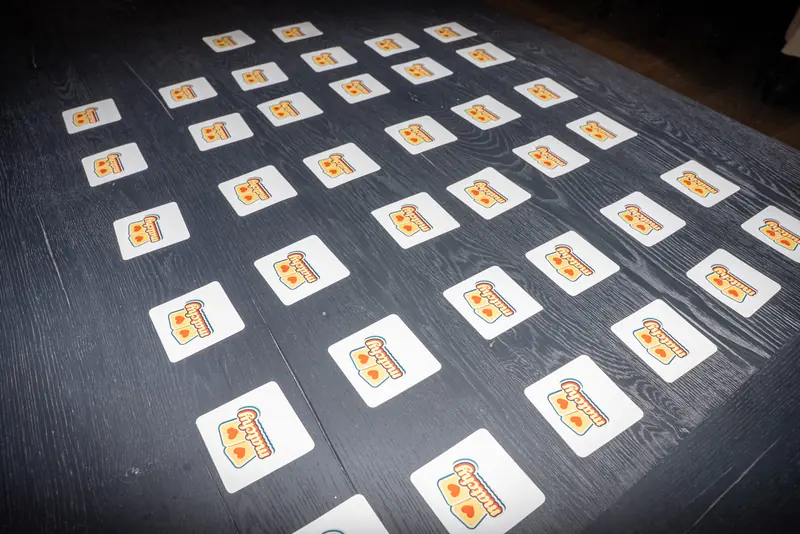
That simplicity is the real gift. A three-year-old and a grandparent can play the same game at the same table, and both can win. There is no reading, no counting money and no long setup. The cards come out, the grid goes down, and everyone is playing within a minute.
What you may notice beyond that is less about scores and more about the time spent. Kids practice waiting their turn. They talk about the pictures. They get a few minutes of calm focus on one thing. Those are small things to watch for at your own table. They are not a medical claim, and every kid is different.
Why kids love memory games
Ask a five-year-old why they like the game and you will get a simple answer. Because I won. And they often do.
- Kids can beat grown-ups. Young players are often great at remembering where a card was. Winning against Dad fair and square is a huge thrill.
- Every flip is a little surprise. Turning a card over is a tiny reveal, again and again.
- Luck keeps it fair. Even a player who forgets everything can flip a lucky pair.
- Rounds are short. A 12-card game is over before anyone gets restless.
There is also the joy of being right. A kid who remembers that the dog card sat in the top corner, and then proves it, glows for the rest of the evening.
What parents notice at the table
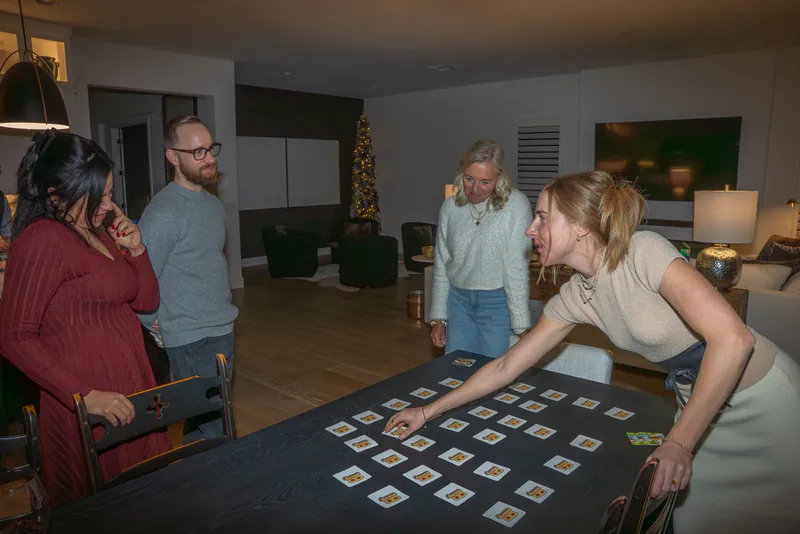
Watch the table during a memory game and you may notice a few things.
- Taking turns. The game only works if everyone waits. Kids tend to pick that up fast, because they want their turn too.
- Losing without a meltdown. Rounds are quick, so a loss stings less. There is always another game.
- Talking. Little kids name what they see on the cards. Older kids tell stories about them.
- Sitting a little longer. Kids may stay at the table longer than you expect, especially with familiar pictures.
- Noticing details. Kids start spotting small differences, like which photo has the red hat and which has the blue one.
- Playing with the whole family. Cousins, grandparents and siblings can all join without new rules.
None of this needs a special edition or an app. It just needs a table, a deck and a few minutes.
Matching the game to your kid's age
Ages two to three
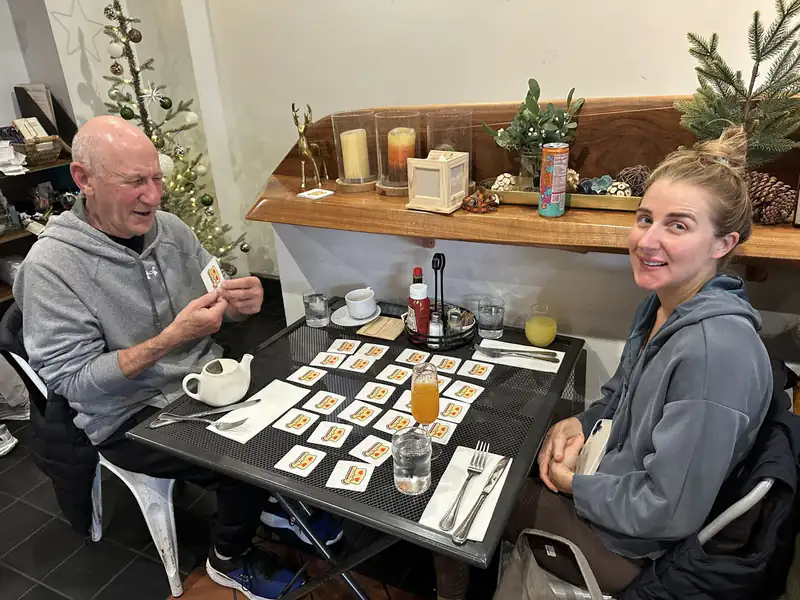
Start with the cards face up. Ask your child to find two that match. Then turn one card over and ask where its partner is. Keep it to 12 cards and stop while it's still fun. Expect plenty of card holding, card hugging and card hiding under the couch. That is all part of it.
Ages four to six
This is the sweet spot for the classic game. Lay out 12 cards at first, then move to 24 when they start winning every round. Pair a younger child with a grown-up as a team. Let them shuffle and deal, too. Kids love being in charge of the deck.
Ages seven and up
Go big with 48 cards. Add house rules. Try a speed round against a timer, or a rule where you must tell a story about a card to keep it. Older kids also like helping pick the photos, which makes the deck feel like theirs.
Why familiar faces keep kids playing
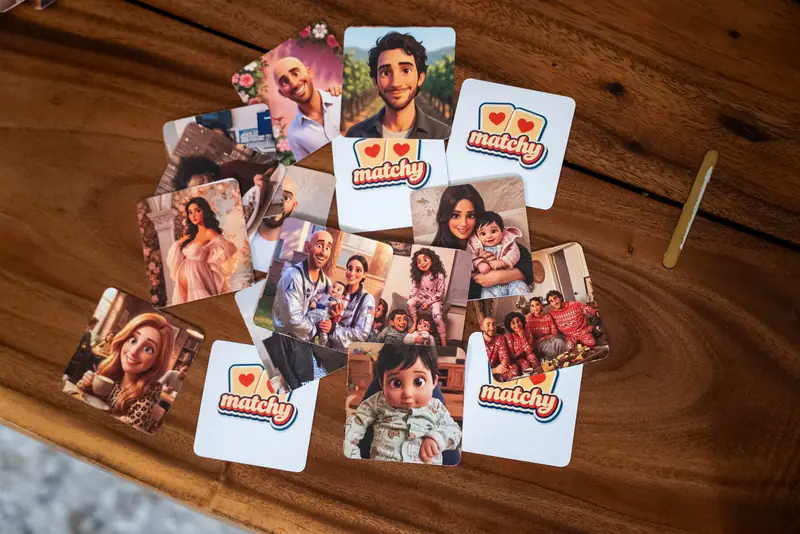
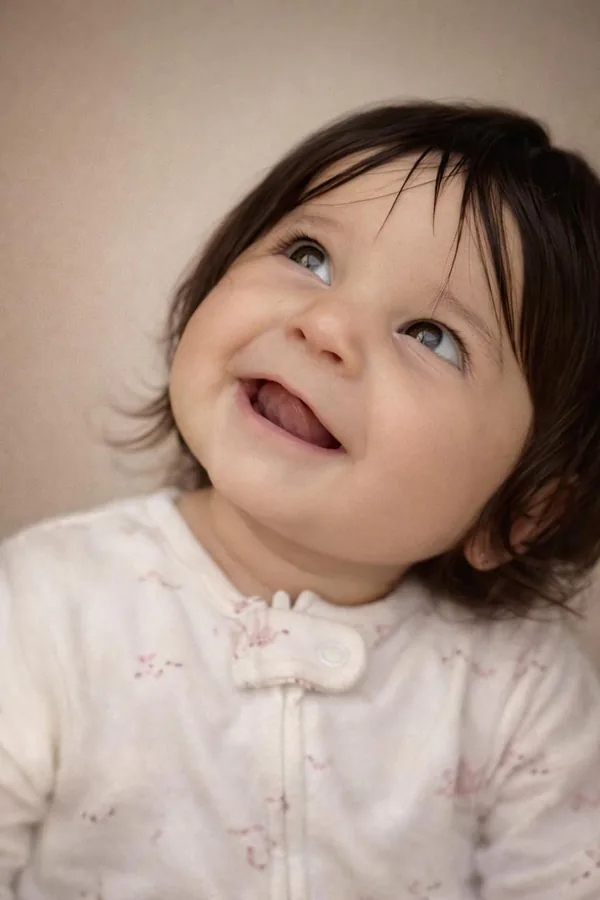
Here is the trick we promised. Kids care more about cards that show people they know. A four-year-old who ignores cartoon fruit will flip cards all afternoon to find Grandma.
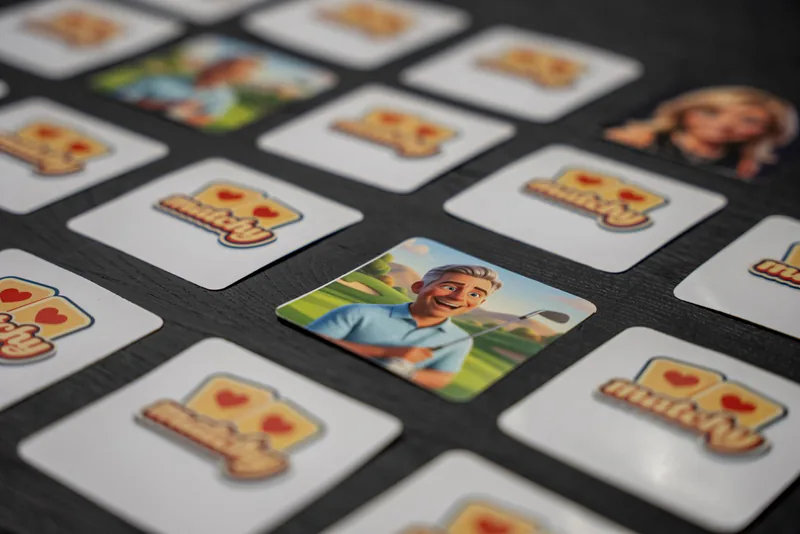
That's why we make memory games from family photos. Matchy Matchy Memory turns your own photos into a matching card game, from $19.99. Mom, Dad, the cousins, the dog, the baby at the beach. Each match becomes a small celebration. Each card gets a name shouted across the table.
It also turns game time into family history time. A card of Grandpa as a little boy starts questions. Where was that? Who took it? Why is he wearing that hat?
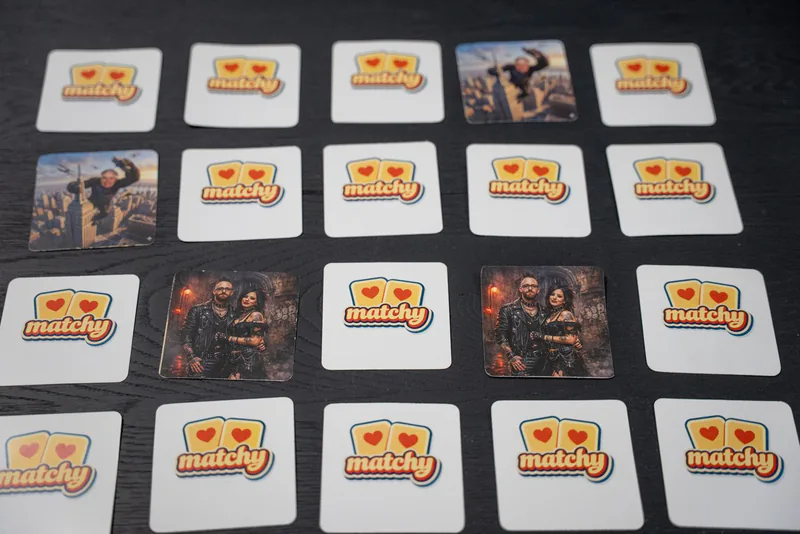
Some families like a playful twist. Matchy Matchy Magic re-draws your photos in 3D Film, Watercolor or Anime, from $29.99. Kids love spotting their family as picture book characters.
A few photo tips for a kid friendly deck:
- One clear face per card. Close ups are easiest for little eyes.
- Include the pets. They get the biggest cheer.
- Add the kids themselves. Finding your own face is a special kind of thrill.
Make one for your kids
Pick photos of the people your kids love most. Choose real or re-drawn. Choose 12, 24 or 48 cards, and go smaller for little hands. You upload from your phone and check your first card before you pay. Shipping is $5, and free when you order 2 or more decks. US only, ships in 3 to 5 business days.
Start with Matchy Matchy Memory for real family photos, or Matchy Matchy Magic to see everyone re-drawn. Questions? Write to us at hello@matchygame.com.